
Travel with Intention
Welcome to Coast Salish Homelands
As you gather in Seattle for the 2026 FIFA World Cup, you are visiting lands and waters that have been home to Indigenous peoples since time immemorial. Long before the city skyline, stadiums, and ferry terminals defined the horizon, this region was, and remains, the homeland of Coast Salish nations.
Seattle is situated within the traditional territories of the Suquamish, Muckleshoot, Snoqualmie, Puyallup, Tulalip Tribes, and others. The name “Seattle” itself honors Chief Si’ahl (Seattle), a respected Suquamish leader of the 19th century. Today, Indigenous communities across the region continue to shape the cultural, political, and economic life of the Pacific Northwest.
A Living Culture
The Indigenous cultures here are not historical artifacts. They are living, evolving communities. You will encounter Native-owned businesses, contemporary Indigenous artists, chefs revitalizing traditional foods, and tribal enterprises that support community health, education, and cultural preservation.
Tribal governments in Washington State are sovereign nations. They maintain a government-to-government relationship with the United States and retain rights affirmed by treaties signed in the 1850s. These treaties guaranteed access to fishing, hunting, and gathering grounds. These rights remain central to tribal identity and livelihood today. Salmon, cedar, canoe traditions, and the waters of Puget Sound continue to anchor Tribal Coast Salish life.
When you see canoes carved from cedar logs, salmon motifs in artwork, or woven designs on blankets, you are witnessing expressions of enduring cultural knowledge passed down through generations.
Respectful Visiting
As a guest on Indigenous homelands:
Support Native-owned businesses and experiences.
Ask questions with curiosity and respect.
Recognize that many cultural traditions are sacred and not always intended for photography or replication.
Understand that Indigenous histories include both deep resilience and ongoing challenges.
Above all, remember that you are visiting lands that carry ancient histories and vibrant futures.
Urban Indigenous Seattle
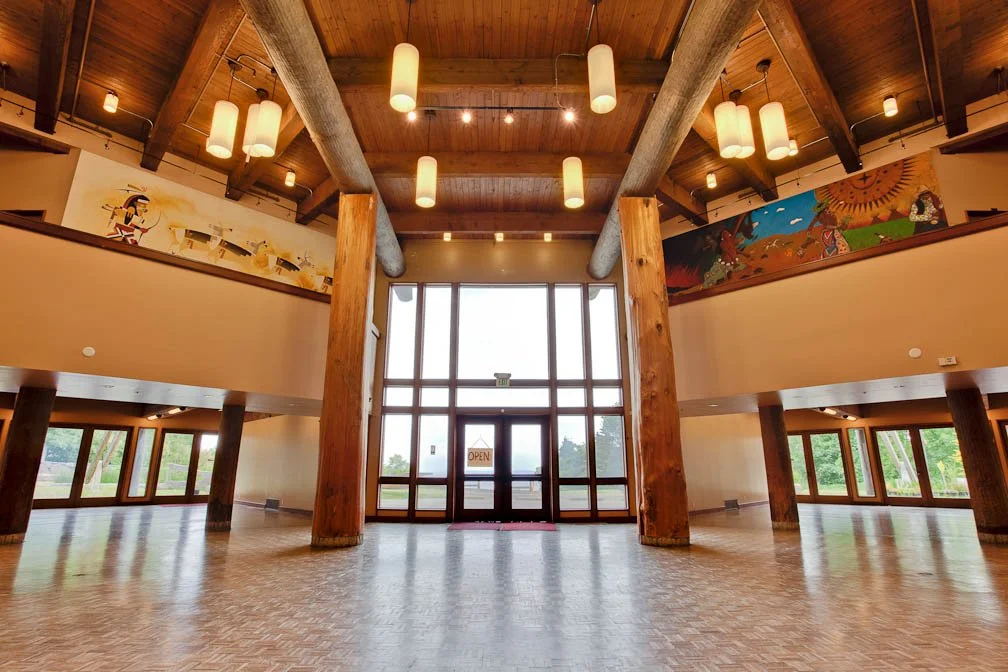
Seattle is home to a vibrant urban Native community. During the 1950’s, federal relocation policies brought many different Indigenous people from across the United States to cities like Seattle. This created a dynamic intertribal community that continues to thrive today.
Organizations such as the Daybreak Star Indian Cultural Center, Chief Seattle Club, Native-owned restaurants, art galleries, and cultural festivals reflect this Tribal diversity. Visitors will encounter Native people from Coast Salish nations as well as from Alaska, the Southwest, the Great Plains, and beyond.
Land and Water
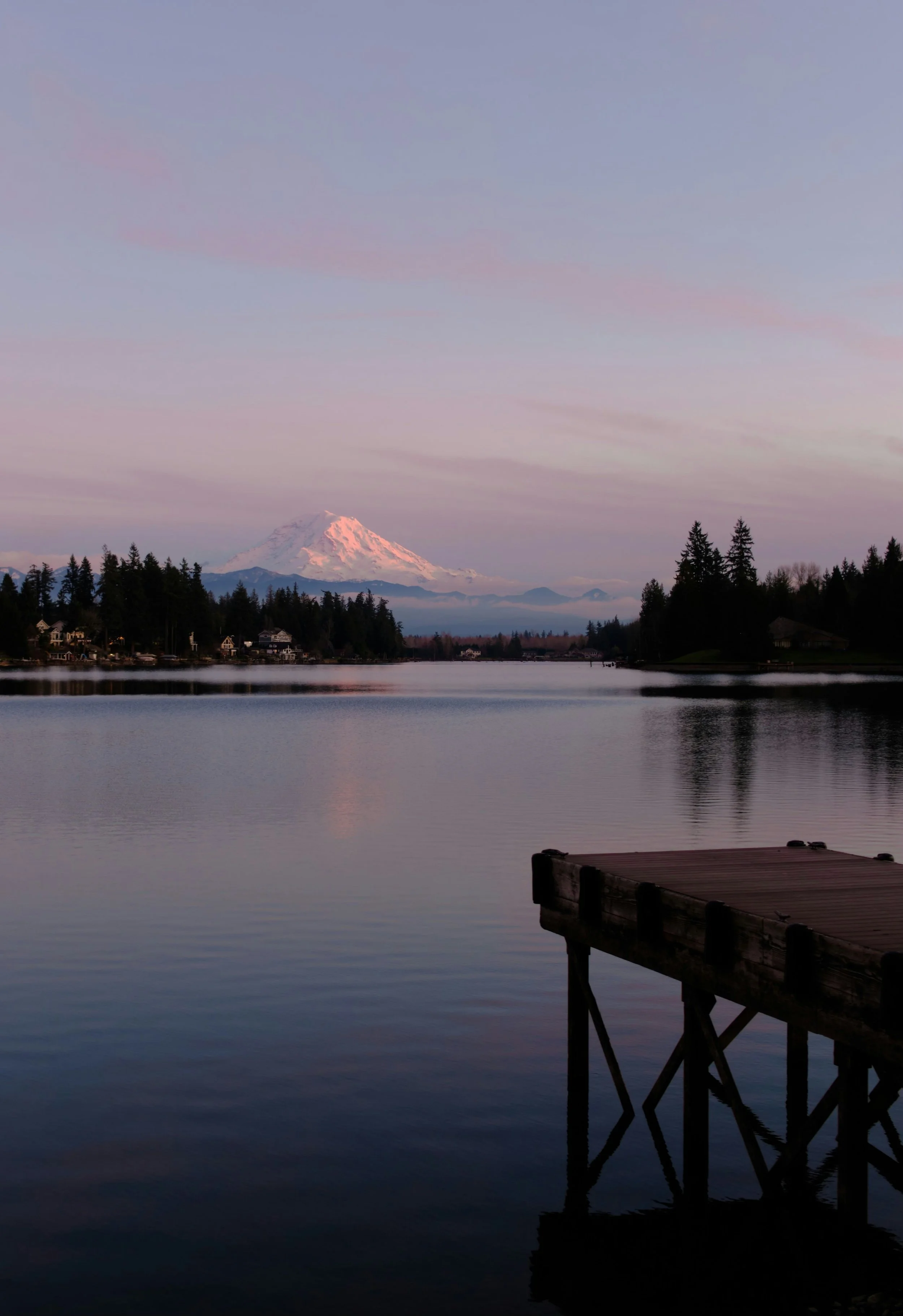
In the Coast Salish worldview, land and water are not simply resources for human use. They are relatives. The mountains, forests, rivers, and tide flats are part of an interconnected system of life. You will notice that many experiences in this guidebook, boat tours, waterfront museums, restaurants, and nature inspired art are connected to the environment.
The Puget Sound, known to many Tribes by their own ancestral names, has sustained Indigenous communities for thousands of years. Fishing, canoe travel, and intertribal trade routes once defined this region. Today, Tribal Nations remain leaders in environmental stewardship, habitat restoration, and sustainable fisheries management.
Art, Design, and Story
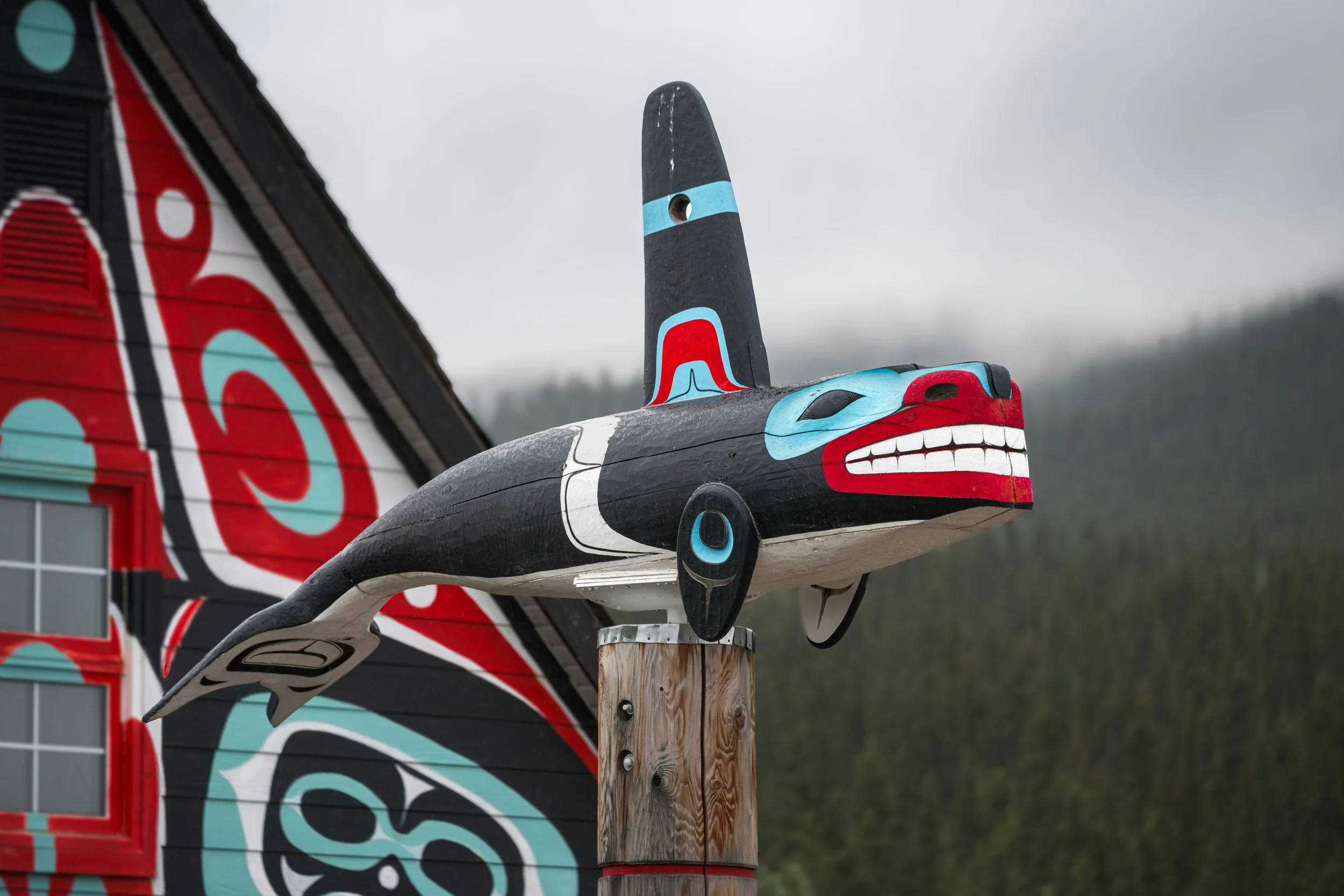
Northwest Coast art is globally recognized for its bold formline design, flowing shapes in black, red, and blue that depict animals, ancestors, and spiritual beings. Orca, eagle, raven, salmon, and bear are not simply decorative figures; they carry lineage, clan, and story.
Contemporary Indigenous artists are expanding these traditions into fashion, public art, fine art, and digital design. When purchasing Indigenous artwork, look for Native-owned businesses and artist attribution to ensure authenticity and support for living artists.
Food Traditions
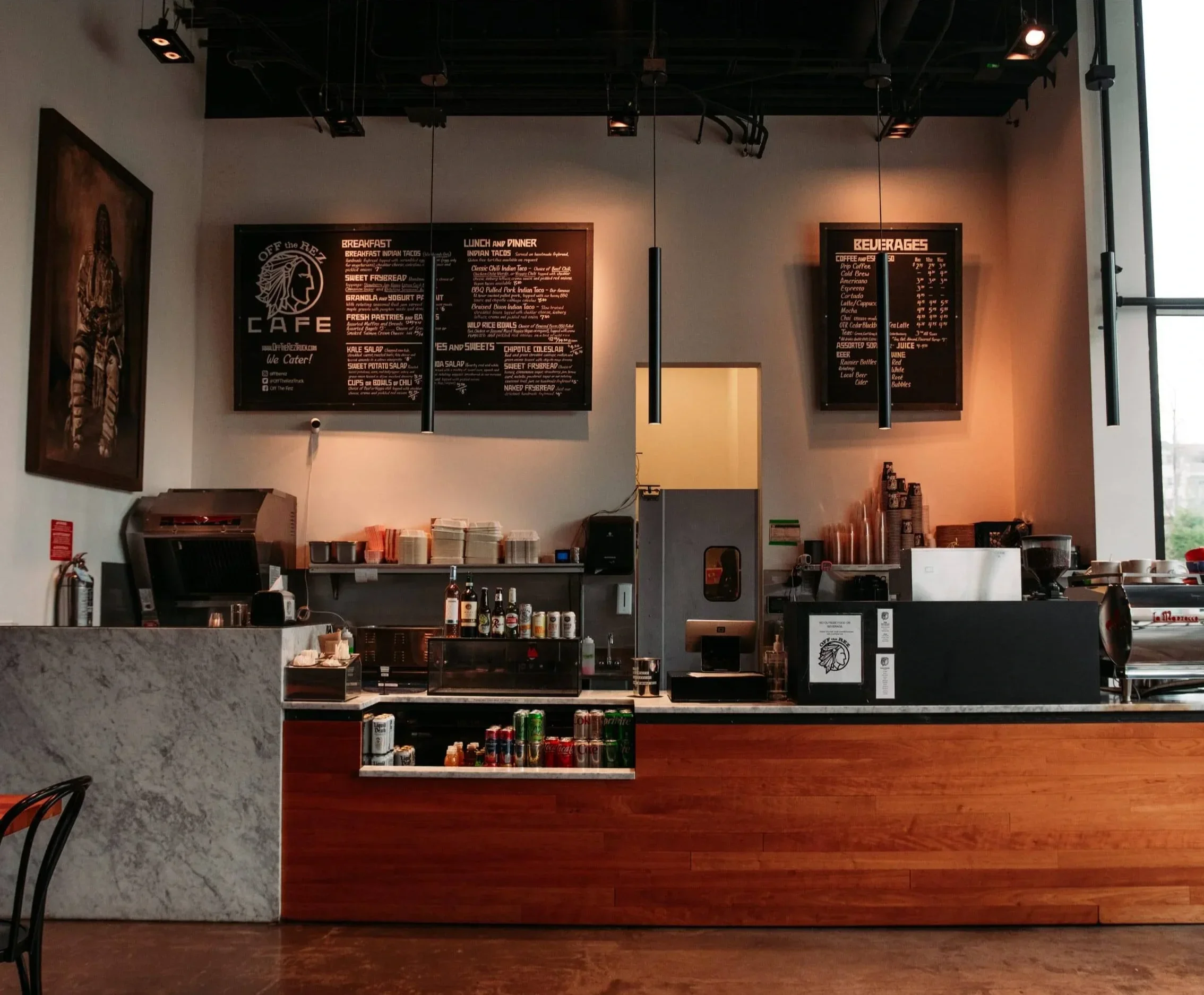
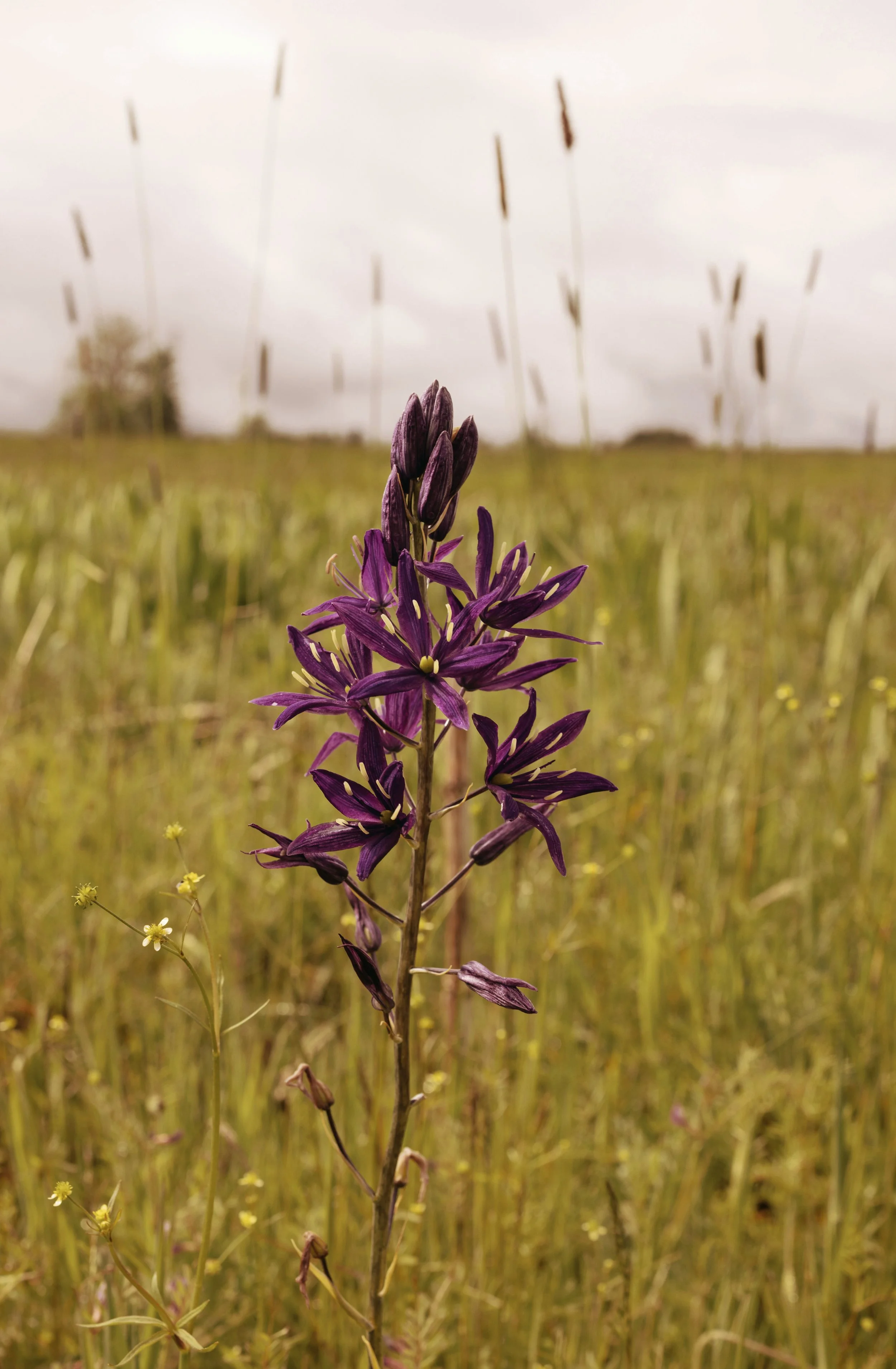
Traditional Coast Salish foods include salmon, shellfish, camas root, berries, and wild game. Today’s Indigenous chefs blend ancestral ingredients with contemporary culinary techniques, creating a vibrant Native food movement. Fry bread, originally born from survival during forced displacement, is now a symbol of resilience and intertribal connection.
Dining at Native-owned restaurants during your visit is one of the most meaningful ways to engage with living culture.
Join the Journey
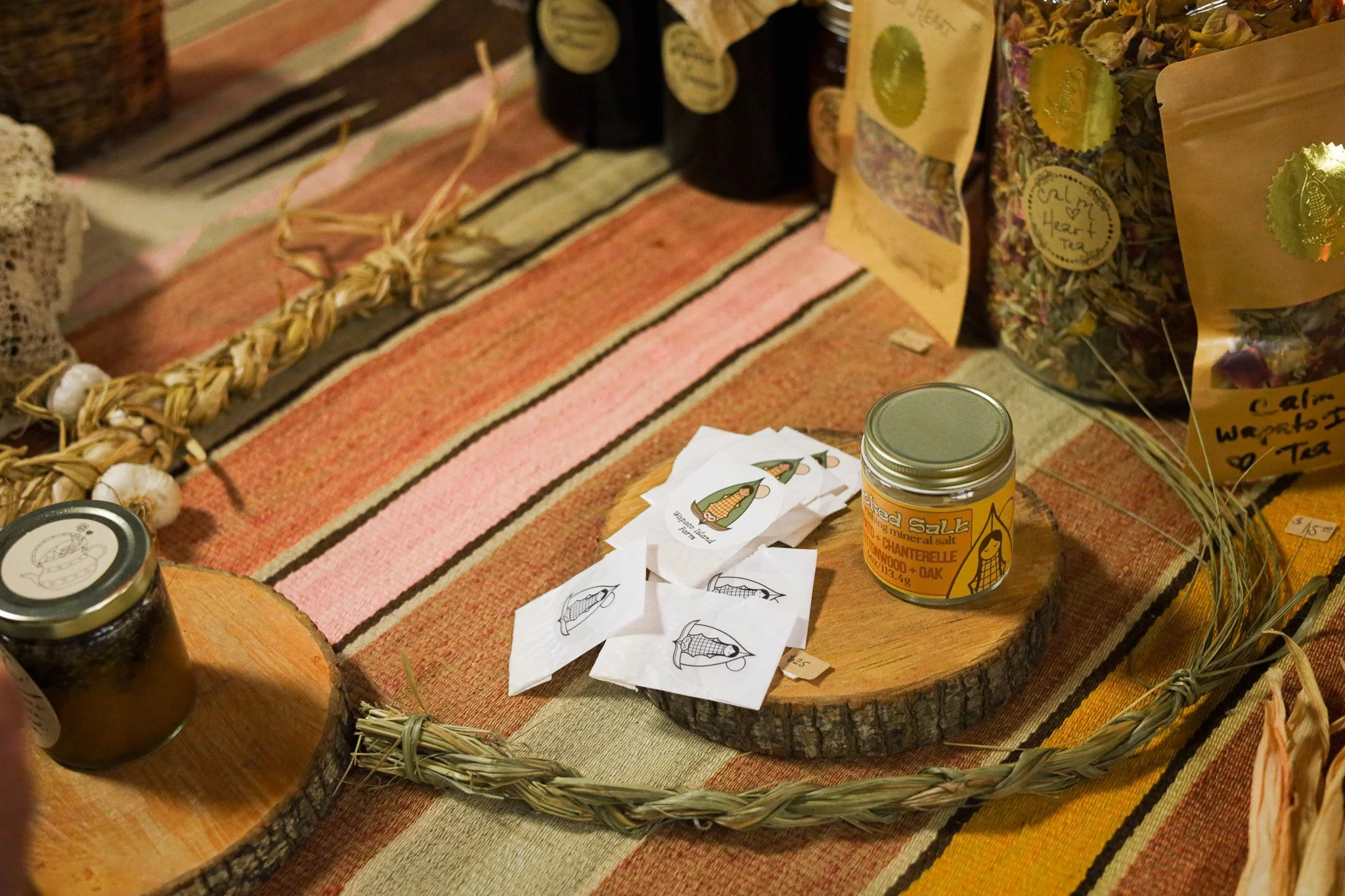
Stay connected with upcoming travel experiences, special events, and stories from Taproot Travel Co. You'll also get updates from Native Grown & Gathered, where you can discover Native-owned restaurants, farms, artists, makers, and other businesses in our Native business directory.